Trading Scams and Fraud Awareness: What to Know
In today's digital age, understanding internet and fraud security is essential. As a retail trader handling significant online transactions, knowing the risks and how to prevent scams is key to protecting your personal and financial assets.
Create Account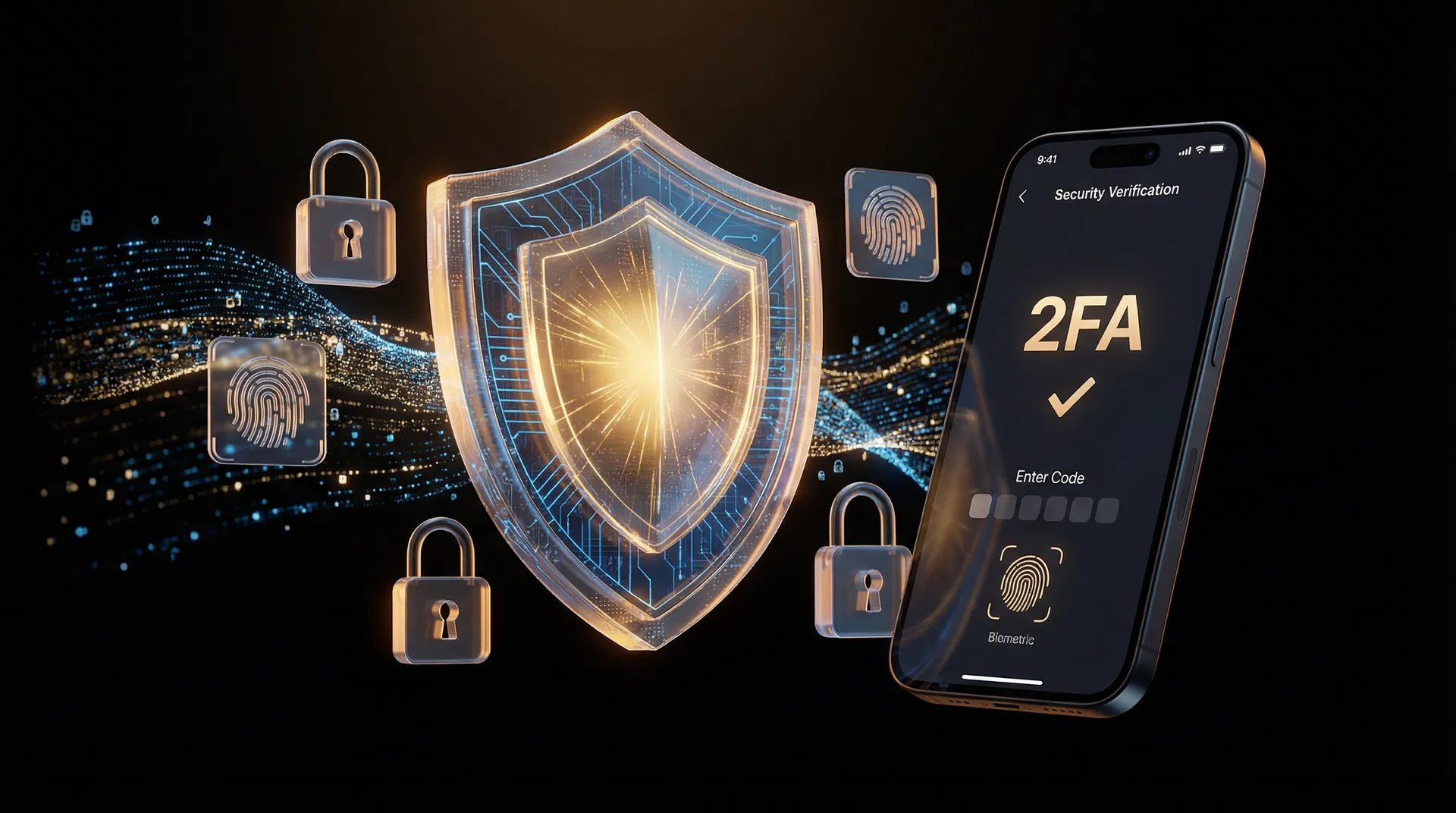
Phishing Scams
Fake emails, texts, or calls designed to trick you into revealing sensitive information like passwords or card details.
Identity Theft
Cybercriminals use stolen personal information to open unauthorized accounts or execute transactions in your name.
Malware Attacks
Malicious software created to steal sensitive data, disrupt operations, or damage your computer systems.
PROTECT YOUR ASSETS
Recognize and Avoid Common Threats
At GQCDAO, we're dedicated to helping you trade safely. Cybercriminals use tactics like phishing, identity theft, and malware to exploit individuals. This guide will help you identify these threats and take action.
How to Avoid Phishing
Check the source
Always verify the sender's email address or phone number. Phishing messages often come from addresses that are slightly altered versions of legitimate ones.
Look for red flags
Be cautious of emails or messages that create a sense of urgency, such as claiming your account has been compromised. They may also contain spelling and grammatical errors.
Avoid clicking on links
Instead of clicking on links in unsolicited emails or messages, go directly to the website by typing the URL into your browser.
Verify requests for information
Legitimate organisations will never ask you to provide sensitive information through email or text. If you're unsure, contact the organisation directly using official contact details.
Protect from Identity Theft
Monitor your accounts
Regularly review bank statements, credit card activity, and credit reports for suspicious transactions.
Use strong passwords
Create unique, complex passwords for each account, and update them periodically.
Enable 2FA
Add two-factor authentication (2FA) to your accounts for an extra layer of security.
Limit personal sharing
Avoid posting sensitive details like your full name, address, or financial information on social media or public platforms.
Protect Against Malware
Install and update antivirus software
Use trusted antivirus programs and ensure they are regularly updated to protect against the latest threats.
Be cautious with downloads
Avoid downloading attachments, files, or software from unknown or unverified sources, as they may contain harmful malware.
Keep software updated
Regularly update your device's operating system, apps, and security patches to close vulnerabilities that malware can exploit.
Use secure networks
Avoid public Wi-Fi for sensitive tasks like trading or banking. If necessary, use a trusted VPN to encrypt your data.
COMMON QUESTIONS
Frequently Asked Questions
Yes, GQCDAO is a legitimate and regulated broker. We adhere to strict international financial standards and regulatory requirements in every jurisdiction where we operate to ensure the highest level of security for our clients' funds and personal information.
Forex trading itself is a legitimate financial activity practiced by millions worldwide. However, because it is a high-value market, it can attract scammers who use deceptive tactics. Trading with a regulated broker like GQCDAO ensures that you are operating within a secure and transparent framework.
We implement advanced security measures, including two-factor authentication (2FA) and continuous account monitoring, to prevent unauthorized access. If fraud is suspected, we encourage clients to contact us immediately so we can freeze the account and conduct a thorough investigation to protect your assets.
LEARN MORE
Continue Your Learning
Understanding Margin
Learn how margin trading works and how to manage your risk effectively.
Read more →Trading Platforms
Explore our full range of powerful trading platforms for desktop and mobile.
Read more →Account Security Best Practices
Follow our guide to keep your trading account secure from unauthorized access.
Read more →